
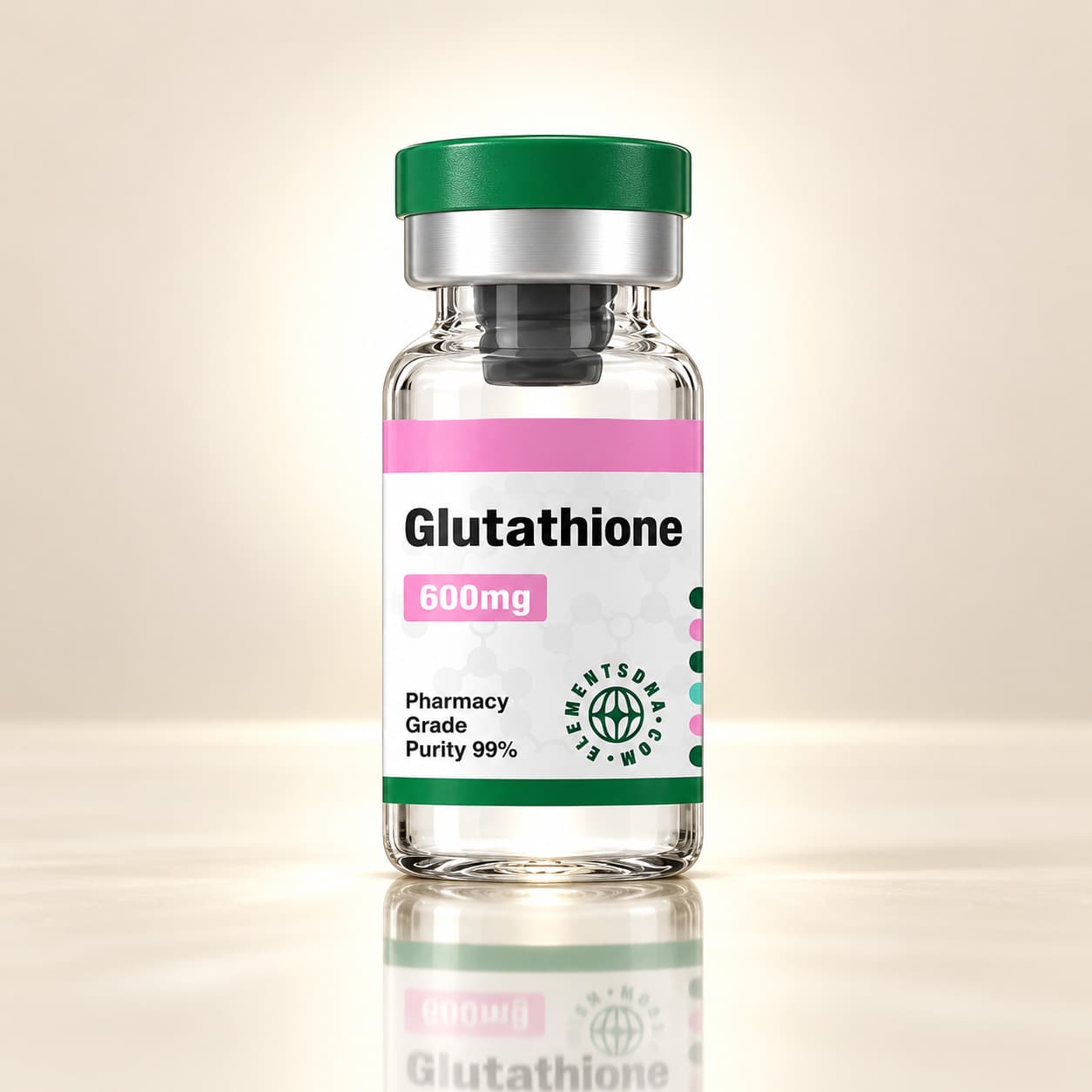
Glutathione
Endogenous tripeptide (gamma-Glu-Cys-Gly) studied in cellular redox biology
1 × $20 = $20. Applied in your cart.
- Every batch tested by an independent laboratory — identity by HPLC and mass spec.
- Dispatched on business days once payment has cleared. Free shipping over $100 — flat $10 otherwise.
- Discreet packaging, tracked and insured on every shipment.
For laboratory and research use only · Not for human consumption
- Certificate
- Record in preparation
- Sizes
- 600mg · 1200mg
- Molecular weight
- 307.3 g/mol
- Form
- Lyophilised powder, sealed glass vial
- Storage
- Cool, dry and dark; refrigerate once reconstituted
What we test, every batch.
Each production lot of Glutathione is analysed by an independent laboratory before it ships. Its certificate is not in our published archive yet — we won't link one we don't hold.
Certificates we have publishedThe panel, every batch
- Identity
- HPLC + mass spec
- Purity
- HPLC · figure on the batch COA
- Net peptide content
- HPLC
- Heavy metals
- ICP-MS
- Sterility
- PCR
- Endotoxin
- USP <85>
What it is
Glutathione is a tripeptide of glutamate, cysteine and glycine, distinguished by an unusual gamma-linkage: the glutamate joins through its side-chain carboxyl rather than through the standard alpha-peptide bond. That linkage resists most peptidases, which is a large part of why the molecule persists intracellularly at millimolar concentrations and functions as the dominant small-molecule thiol in the cell.
It ships as a lyophilised powder in a sealed glass vial, available in 600 mg and 1200 mg presentations. Each lot is accompanied by a Certificate of Analysis recording identity and purity. Supplied as a laboratory reference material for research use only, and not for human or veterinary use.
What the research explores
Glutathione is among the most measured molecules in redox biology, appearing in research as both subject and reagent. Studied areas include:
- The reduced-to-oxidised (GSH/GSSG) ratio as an index of cellular oxidative state
- Glutathione peroxidase and glutathione reductase enzyme kinetics
- Phase II conjugation reactions catalysed by glutathione S-transferases
- Compartmental pools across cytosol, mitochondria and endoplasmic reticulum
- Assay development for thiol quantification in cell and tissue lysates
These describe biochemical research topics reported in the literature. Elements DNA makes no detoxification, health or physiological claim and supplies this material for laboratory research use only.
Questions
How should the vial be stored?
Keep the sealed vial cool, dry and away from light until opened. Once in solution, store refrigerated and treat it as short-lived, since the reduced thiol oxidises readily on exposure to air. Avoid repeated freeze-thaw cycles.
How is the powder brought into solution?
Solvent is normally added slowly down the inside wall of the vial and dissolved by gentle swirling. Solvent choice, working concentration and protocol are determined by the researcher. We do not provide dosing or administration guidance of any kind.
What does the Certificate of Analysis cover?
The batch COA documents compound identity and chromatographic purity for the lot you receive, with its lot identifier and test date. It characterises the material as supplied and is not a clinical or regulatory approval.
What arrives in the shipment?
One sealed glass vial of lyophilised powder in the size selected, protectively packaged and labelled with its batch identifier. Solvent and laboratory consumables are not included.
Literature
8 publications · 1990–2026
Peer-reviewed publications indexed on PubMed that discuss Glutathione. Listed for reference only — inclusion is not a claim about this product or its effects.
- 2026Selenium-doped carbon dots nanozymes hitchhiking tailored liposomes block neuronal pyroptosis through GPX4/ROS/NLRP3/GSDMD axis to attenuate ischemic stroke
Hou J, Yao L, Li Y, et al. · Journal of nanobiotechnology
PMID 41654881 · doi 10.1186/s12951-026-04107-9
- 2023Detection of Protein-Protein Interactions Using Glutathione-S-Transferase (GST) Pull-Down Assay Technique
Gnanasekaran P, Pappu HR · Methods in molecular biology (Clifton, N.J.)
PMID 37450141 · doi 10.1007/978-1-0716-3327-4_10
- 2019Glutathione: subcellular distribution and membrane transport (1)
Oestreicher J, Morgan B · Biochemistry and cell biology = Biochimie et biologie cellulaire
PMID 30427707 · doi 10.1139/bcb-2018-0189
- 2018Oxidative Stress Assessment in Zebrafish Larvae
Domingues I, Gravato C · Methods in molecular biology (Clifton, N.J.)
PMID 29896710 · doi 10.1007/978-1-4939-7883-0_26
- 2015Benzene oxide is a substrate for glutathione S-transferases
Zarth AT, Murphy SE, Hecht SS · Chemico-biological interactions
PMID 26554337 · doi 10.1016/j.cbi.2015.11.005
Show 3 more publicationsShow fewer
- 2001Serotonergic neurotoxicity of methylenedioxyamphetamine and methylenedioxymetamphetamine
Monks TJ, Bai F, Miller RT, et al. · Advances in experimental medicine and biology
PMID 11764973 · doi 10.1007/978-1-4615-0667-6_62
- 1992The ATP-dependent glutathione S-conjugate export pump
Ishikawa T · Trends in biochemical sciences
PMID 1455517 · doi 10.1016/0968-0004(92)90489-v
- 1990Bioactivation of hexachlorobutadiene by glutathione conjugation
Dekant W, Vamvakas S, Anders MW · Food and chemical toxicology : an international journal published for the British Industrial Biological Research Association
PMID 2192968 · doi 10.1016/0278-6915(90)90041-k
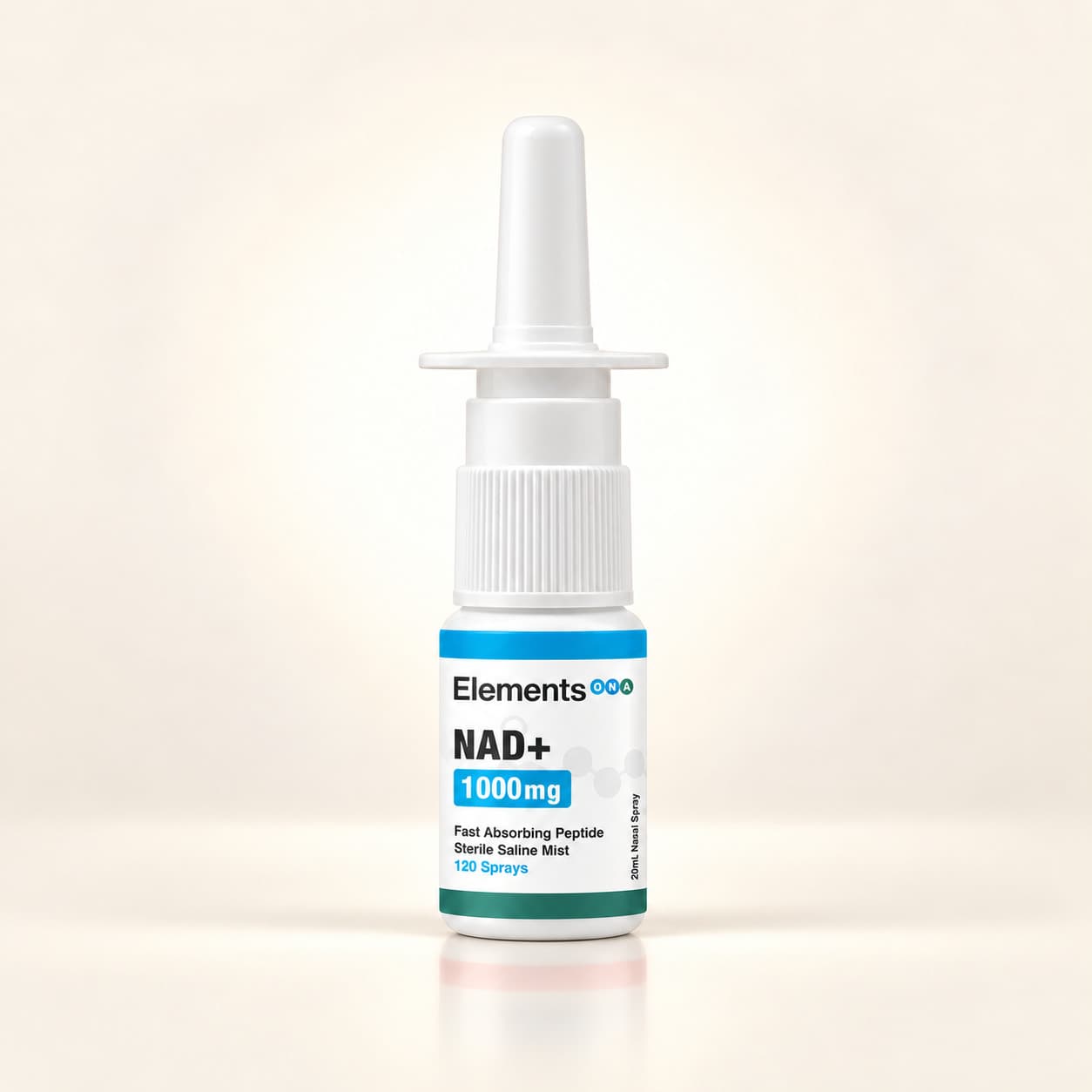
NAD+ Nasal Spray
Nicotinamide Adenine Dinucleotide
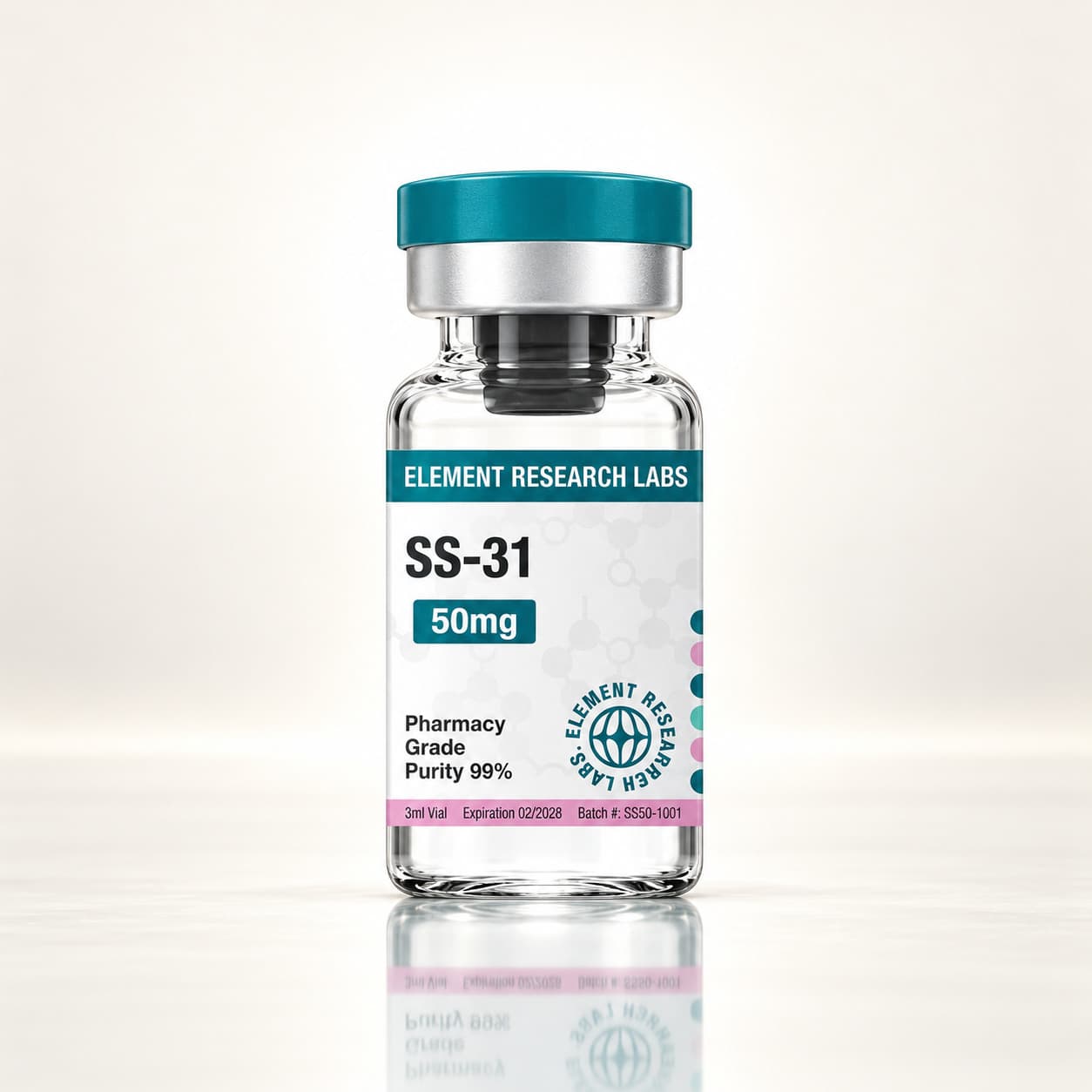
SS-31
Elamipretide
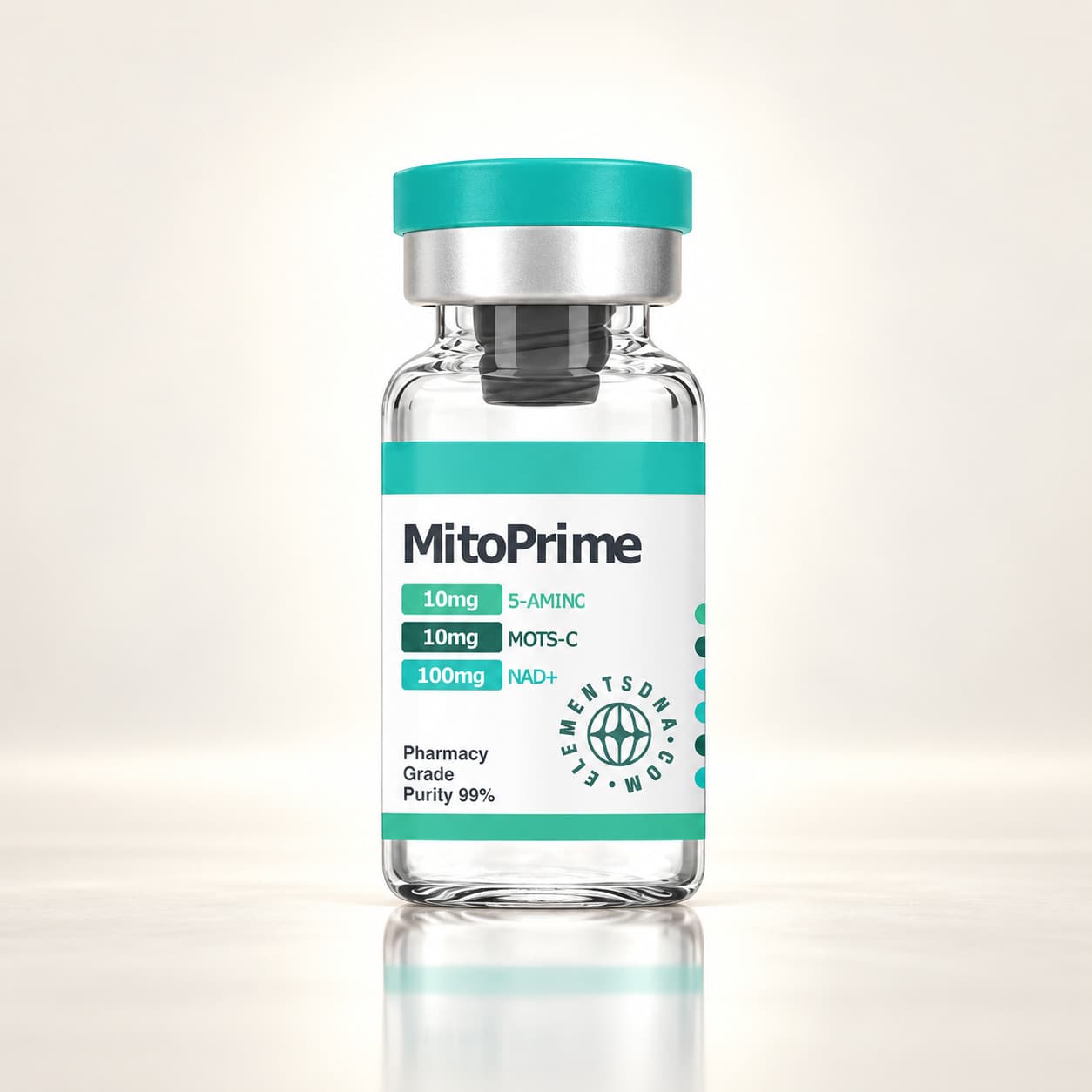
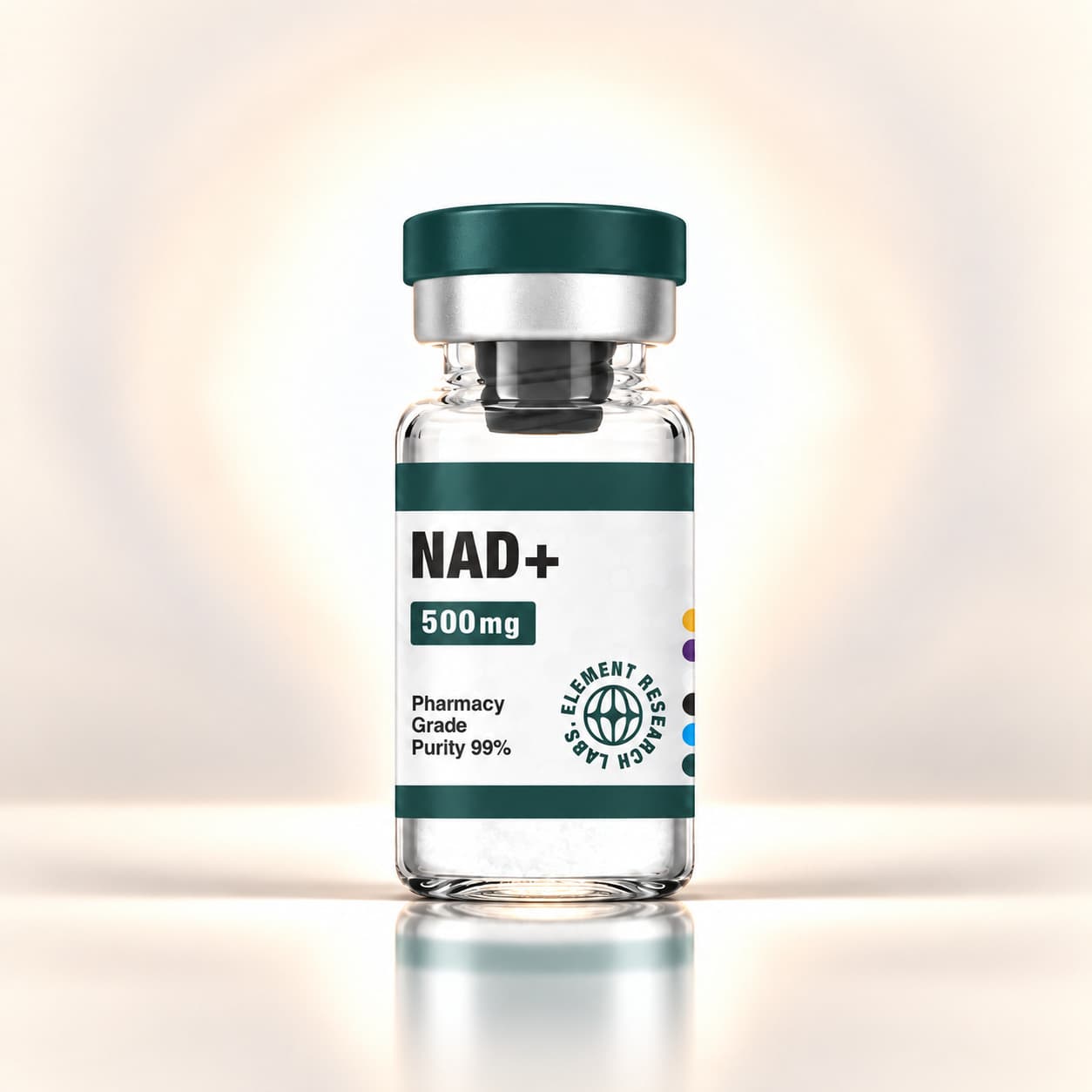
NAD+
Nicotinamide Adenine Dinucleotide
Products are supplied strictly for laboratory and research use. They are not for human or veterinary consumption, and have not been evaluated by the U.S. Food and Drug Administration for the diagnosis, treatment, cure, or prevention of any condition.